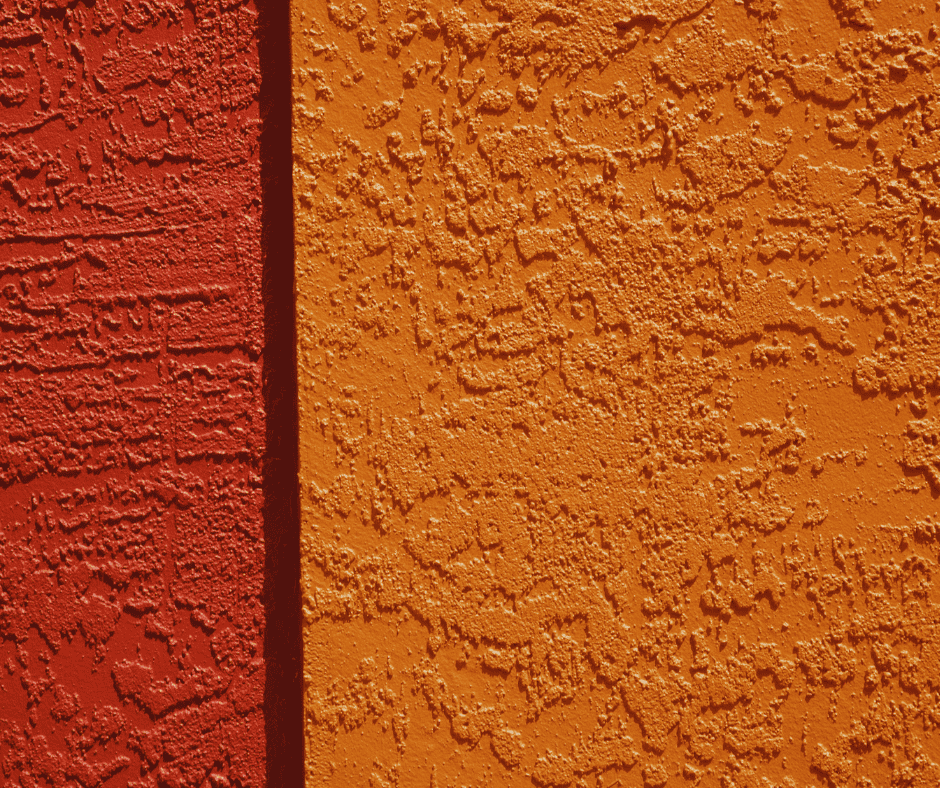
Alberta experiences repeated freeze–thaw cycles each winter. When moisture enters small hairline cracks in stucco and then freezes, it expands by about nine percent. This expansion creates internal pressure that widens cracks and weakens the finish coat. Over time, untreated cracking in Devon’s climate can allow deeper water infiltration into the wall assembly.
Modern EIFS systems are designed with a drainage plane behind the insulation layer. Without proper flashing, sealed joints, and a functioning water-resistive barrier, moisture can become trapped behind Expanded Polystyrene insulation. Trapped moisture increases the risk of wood rot and mold growth behind the substrate. Correct installation and inspection are critical in high-moisture environments like the North Saskatchewan River valley.
The white powder sometimes seen on stucco surfaces is called efflorescence. It occurs when water moves through cement-based materials and carries soluble salts to the surface. When the water evaporates, the salts remain visible. Efflorescence itself is not structural damage, but it signals ongoing moisture movement that should be addressed by a qualified stucco contractor in Devon.
Devon, Alberta sits along the North Saskatchewan River in Leduc County. It is a river valley town with beauty and exposure. Homes in the T4G postal code face long winters, heavy snow loads, freeze thaw cycles, and moisture shifts that test every exterior wall system. After a long Alberta winter, stucco repair in Devon AB becomes a priority for many homeowners.
A professional stucco contractor in Devon understands how extreme temperature swings affect exterior cladding. Daytime thaw and overnight freeze cause expansion and contraction within cementitious stucco and EIFS assemblies. Over time, that movement creates hairline cracks, surface separation, and moisture entry points. When left untreated, small cracks can lead to deeper structural damage behind the wall system.
Depend Exteriors focuses on weather proofing residential and commercial envelopes across Devon and the Edmonton Metropolitan Region. The goal is simple. Identify damage early. Repair correctly. Protect the building for the next winter cycle.
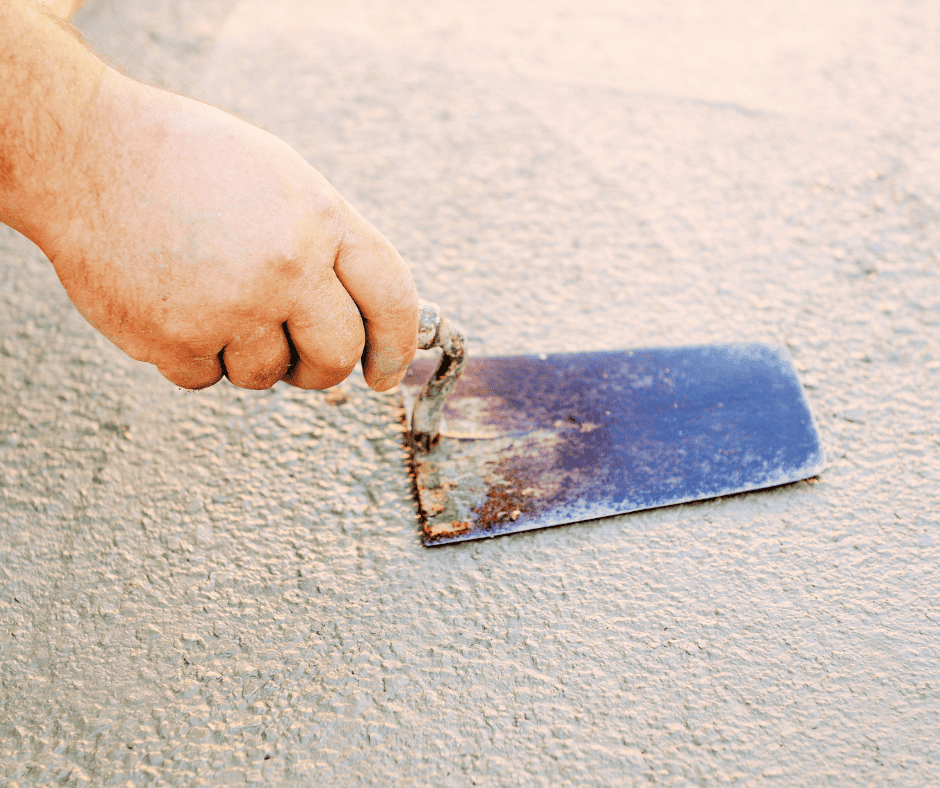
Devon's location near the North Saskatchewan River increases humidity fluctuations. Homes close to Voyageur Park or the Devon Lions Campground often experience higher moisture levels than properties on higher ground. Snow accumulation around foundations and repeated thaw cycles create pressure at the base of exterior walls.
Traditional cement stucco consists of a scratch coat, brown coat, and finish coat applied over wire lath. EIFS, or Exterior Insulation and Finish Systems, include Expanded Polystyrene EPS insulation boards, a reinforced base coat, mesh, and an acrylic finish. Both systems perform well when installed correctly. Both can fail when water enters and remains trapped.
Common winter related issues include:
These symptoms often appear in neighborhoods such as Highwood, Highwood Park, Ravines of Devon, Miquelon Estates, and Robina Park. Custom homes in the Ravines of Devon, with large wall surfaces and river valley exposure, are especially sensitive to wind driven moisture.
Hairline cracks may seem cosmetic. In Alberta, they rarely stay that way. When freeze thaw cycles push water into small openings, the cracks widen. The next winter accelerates the damage.
Bulging walls signal a more serious issue. Moisture trapped behind EPS boards or behind the brown coat can lead to swelling and loss of bond. A trained stucco contractor Devon will inspect for soft spots and check for movement in the substrate.
Discoloration and dark streaking often indicate improper flashing around windows and doors. Flashings and caulking joints are critical. Once water bypasses the drainage plane and air barrier, mold growth and wood rot behind the substrate become real risks.
Depend Exteriors uses moisture meters to detect subsurface rot before any new acrylic stucco or finish coat is applied. Repair without diagnosis only hides the problem.
Stucco repair in Devon AB requires more than patching. The wall assembly must be understood as a system. A complete exterior envelope includes a drainage plane, air barrier, insulation layer, reinforcement mesh, and protective finish.
When repairing traditional cement stucco, the damaged area is cut back to solid material. Wire lath is inspected. If corroded, it is replaced. A new scratch coat is applied, followed by a brown coat and texture matched finish coat. Texture sprayers and power mixers ensure consistent material blend and adhesion.
EIFS repair demands equal precision. Expanded Polystyrene boards must be dry and structurally intact. If moisture intrusion has compromised EPS, sections are removed and replaced. The base coat is reinforced with mesh. The final acrylic finish is selected to provide flexibility against Alberta's temperature shifts.
Laser levels are used to ensure flat planes. Scaffolding is secured according to Alberta safety standards. WCB Alberta coverage and liability insurance protect the property owner during the repair process.
Depend Exteriors works with established manufacturers such as Imasco Minerals for traditional cement stucco and Dryvit Systems or Sto Corp for EIFS assemblies. These systems are engineered for Canadian climates.
For homeowners seeking higher thermal performance, ADEX Systems and Senergy products offer energy efficient upgrades. These systems increase wall R value and reduce heat loss during winter months. In Devon's river valley setting, improved insulation can translate to measurable heating savings.
Material selection is never random. It is based on exposure, wall condition, and building code compliance. Alberta Building Code requirements and Devon municipal bylaws guide every installation and repair.
Homes near the University of Alberta Botanic Garden often sit on larger lots with mature trees. Shade can delay drying after rain or snow melt. Prolonged dampness increases the chance of efflorescence and staining.
Properties near Castrol Raceway or open fields in Leduc County face stronger wind loads. Wind driven rain can exploit minor sealant gaps. Regular inspection of caulking joints and flashings is essential.
In Highwood Park and Robina Park, many houses built in earlier decades now show aging parging at the foundation. Parging protects exposed concrete and block walls from moisture. When chipped or flaking, water can penetrate and freeze within the foundation wall.
Residential stucco repair in Devon covers single family homes, duplexes, and townhouses. Commercial stucco projects include retail buildings and small office properties within Leduc County. Both require attention to substrate condition and moisture control.
Commercial properties often have larger wall spans and higher exposure to wind. Drainage plane integrity and flashing transitions at roof lines demand careful detailing. Failure in these areas leads to costly interior damage.
Rapid exterior dispatch is available for homeowners throughout the T4G area. Addressing damage early reduces repair scope and cost.
Small isolated cracks can often be repaired without full wall replacement. However, widespread delamination or repeated moisture intrusion may justify full re cladding.
Patch repair offers lower upfront cost. It works well when the underlying structure is sound. Full replacement allows installation of updated air barrier systems and improved insulation. It provides a fresh start for aging exteriors.
An experienced stucco contractor Devon will assess the extent of damage and explain the options clearly. A free exterior estimate should include an itemized scope of work and material specification.
Many Devon homeowners combine stucco repair with exterior renovations. Stone veneer accents around entryways or columns add durability and visual depth. Proper flashing integration between stucco and stone veneer is critical to prevent water infiltration.
Exterior renovations in neighborhoods such as Miquelon Estates often aim to increase curb appeal and property value. High quality acrylic stucco finishes resist staining and provide long term color stability.
Every project begins with inspection. Moisture readings are taken. Cracks are measured. The substrate is tested for stability. Based on findings, a repair plan is prepared.
The general repair workflow includes:
Texture matching is an art backed by experience. A skilled crew adjusts aggregate size and spray pattern to align with existing walls. When done properly, repairs blend seamlessly.
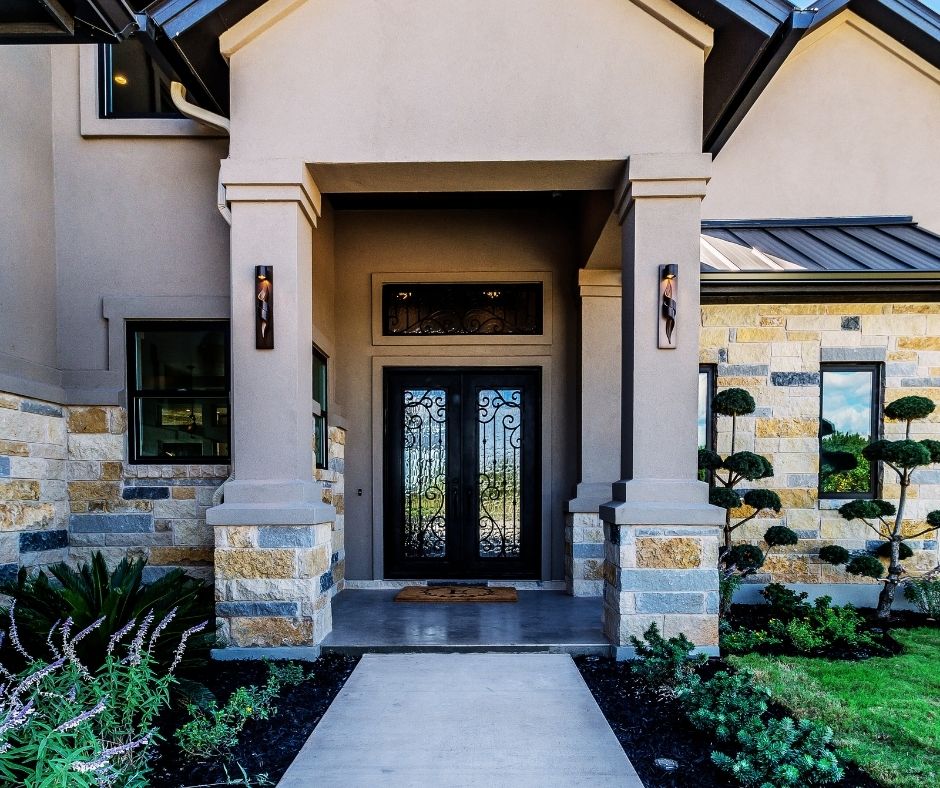
Depend Exteriors is recognized as a leading stucco contractor in Devon. The company serves Leduc County, Calmar, Beaumont, Edmonton, Spruce Grove, and Stony Plain. The focus remains on quality workmanship and accountability.
Homeowners value clear communication and detailed proposals. WCB Alberta coverage and liability insurance offer protection during construction. A 10 year workmanship warranty supports new installations and major repairs.
Depend Exteriors is BBB accredited. Free exterior estimates allow homeowners to understand the full scope before committing. $0 down financing options are available for qualifying projects, making larger exterior renovations manageable.
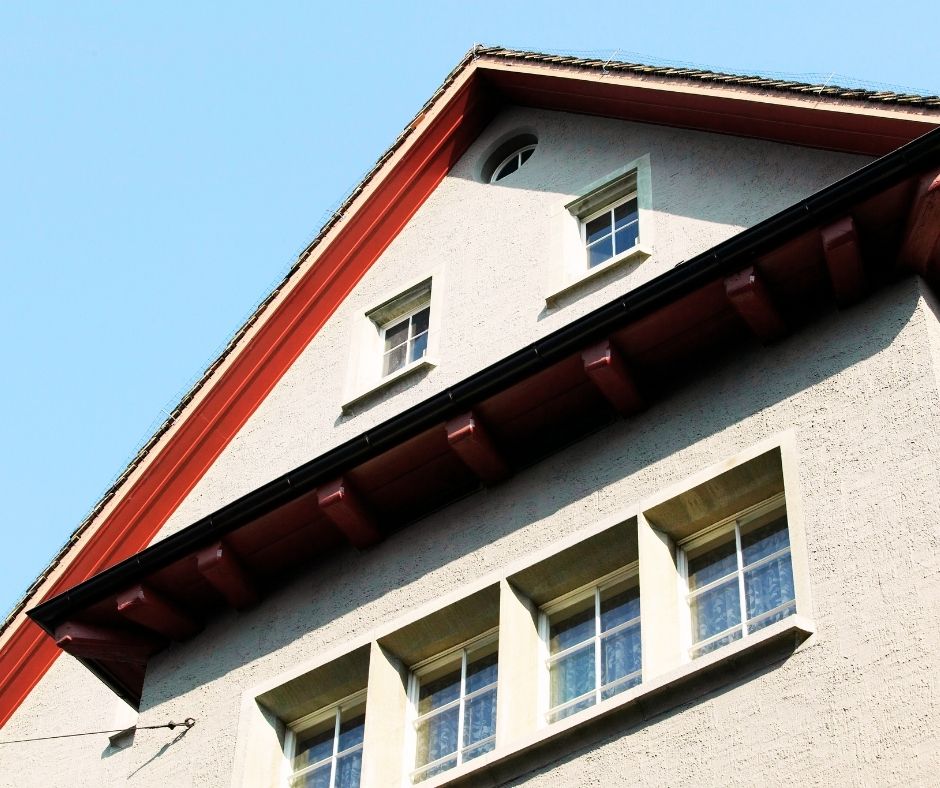
Once repairs are complete, routine maintenance protects the investment. Annual inspection of caulking joints around windows and doors prevents moisture entry. Cleaning surfaces to remove dirt and organic growth reduces staining.
Snow should be cleared away from foundation walls to limit prolonged moisture contact. Downspouts must direct water away from the base of the home. Small proactive steps extend the life of both traditional cement stucco and EIFS systems.
Spring and early summer in Devon provide ideal conditions for stucco repair and installation. Moderate temperatures allow proper curing of cementitious materials and acrylic finishes. Waiting until late fall increases risk due to temperature swings.
Homeowners in Highwood and Ravines of Devon who schedule early inspections often avoid emergency repairs later in the year. A professional assessment identifies vulnerabilities before freeze thaw cycles return.
Stucco repair in Devon AB after a long Alberta winter is more than cosmetic. It protects structural integrity, indoor air quality, and long term property value. With the right materials, skilled application, and local knowledge, a home in T4G can stand strong against the next season.
Homeowners ready to address cracking, parging deterioration, or EIFS damage can contact Depend Exteriors for a free comprehensive exterior audit and detailed quote. Acting early reduces repair scope and restores confidence in the exterior envelope.

Redirect to:
 |
This article needs additional citations for verification. (January 2008)
|

Stucco or render is a construction material made of aggregates, a binder, and water. Stucco is applied wet and hardens to a very dense solid. It is used as a decorative coating for walls and ceilings, exterior walls, and as a sculptural and artistic material in architecture. Stucco can be applied on construction materials such as metal, expanded metal lath, concrete, cinder block, or clay brick and adobe for decorative and structural purposes.[2]
In English, "stucco" sometimes refers to a coating for the outside of a building and "plaster" to a coating for interiors. As described below, however, the materials themselves often have little or no difference. Other European languages, notably Italian, do not have the same distinction: In Italian, stucco means plaster, and serves for both.[3]


The basic composition of stucco is lime, water, and sand.[4]
The difference in nomenclature between stucco, plaster, and mortar is based more on use than composition. Until the latter part of the nineteenth century, it was common that mortar as well as plaster, which was used inside a building, and stucco, which was used outside, would consist of the same primary materials: lime and sand.
Animal or plant fibers were often added for additional strength. Sometimes additives such as acrylics and glass fibers are added to improve the structural properties of the stucco. This is usually done with what is considered a one-coat stucco system, as opposed to the traditional three-coat method.
In the latter nineteenth century, Portland cement was added with increasing frequency to cover surfaces in contact with soil or water. At the same time, traditional lime plasters were often being replaced by gypsum plaster. Lime is almost as good in balancing humidity as clay. It prevents moisture accumulation inside the building as well as in the wall by its excellent permeability, and is more elastic and workable than cement render.
Lime itself is usually white; color comes from the aggregate or any added pigments. Lime stucco has the property of being self healing to a limited degree because of the slight water solubility of lime (which in solution can be deposited in cracks, where it solidifies). Portland cement stucco is very hard and brittle and can easily crack and separate from the surface if the base on which it is applied is not stable. Typically, its color was gray, from the innate color of most Portland cement, but white Portland cement is also available. Today's stucco manufacturers offer a very wide range of colors that can be mixed integrally in the finish coat. Other materials such as stone and glass chips are sometimes "dashed" onto the finish coat before drying, with the finished product commonly known as "rock dash", "pebble dash", or also as roughcast if the stones are incorporated directly into the stucco, used mainly from the early 20th through the early 21st centuries.
As a building material, stucco is a durable, attractive, and weather-resistant wall covering. It was traditionally used as both an interior and exterior finish applied in one or two thin layers directly over a solid masonry, brick, or stone surface. The finish coat usually contained an integral color and was typically textured for appearance.
Then with the introduction and development of heavy timber and light wood-framed construction methods, stucco was adapted for this new use by adding a reinforcement lattice, or lath, attached to and spanning between the structural supports and by increasing the thickness and number of layers of the total system. The lath added support for the wet plaster and tensile strength to the brittle, cured stucco; while the increased thickness and number of layers helped control cracking.
The traditional application of stucco and lath occurs in three coats—the scratch coat, the brown coat and the finish coat. The two base coats of plaster are either hand-applied or machine sprayed. The finish coat can be troweled smooth, hand-textured, floated to a sand finish or sprayed.
Originally, the lath material was strips of wood installed horizontally on the wall, with spaces between, that would support the wet plaster until it cured. This lath and plaster technique became widely used.
In exterior wall applications, the lath is installed over a weather-resistant asphalt-impregnated felt or paper sheet that protects the framing from the moisture that can pass through the porous stucco.
Following World War II, the introduction of metal wire mesh, or netting, replaced the use of wood lath. Galvanizing the wire made it corrosion resistant and suitable for exterior wall applications. At the beginning of the 21st century, this "traditional" method of wire mesh lath and three coats of exterior plaster was still widely used.
In some parts of the United States with a warmer climate (like California, Nevada, Arizona, New Mexico and Florida), stucco is the predominant exterior for both residential and commercial construction. Stucco exterior (with wood frame interior) became a popular alternative in the southwestern United States during the 1970s, as the masonry labor costs for adobe rose.[5]


Stucco has also been used as a sculptural and artistic material. Stucco relief was used in the architectural decoration schemes of many ancient cultures. Examples of Egyptian, Minoan, and Etruscan stucco reliefs remain extant. In the art of Mesopotamia and ancient Persian art there was a widespread tradition of figurative and ornamental internal stucco reliefs, which continued into Islamic art, for example in Abbasid Samarra, now using geometrical and plant-based ornament. As the arabesque reached its full maturity, carved stucco remained a very common medium for decoration and calligraphic inscriptions. Indian architecture used stucco as a material for sculpture in an architectural context. It is rare in the countryside.
In Roman art of the late Republic and early Empire, stucco was used extensively for the decoration of vaults. Though marble was the preferred sculptural medium in most regards, stucco was better for use in vaults because it was lighter and better suited to adapt to the curvature of the ceiling. Baroque and Rococo architecture makes heavy use of stucco. Examples can be found in churches and palaces, where stucco is mostly used to provide a smooth, decorative transition from walls to ceiling, decorating and giving measure to ceiling surfaces. Stucco is an integral part of the art of belcomposto, the Baroque concept that integrates the three classic arts, architecture, sculpture, and painting.
The Greco-Buddhist art of modern Afghanistan and northern Pakistan made extensive use in monasteries and temples of stucco for three-dimensional monumental sculpture as well as reliefs. These were usually carved from a rough modelling over a framework and then painted. Similar techniques are used for the life-size statues decorating the gopurams of Hindu temples in modern South Asia.
Since stucco can be used for decoration as well as for figurative representation, it provides an ideal transitive link from architectural details to wall paintings such as the typically Baroque trompe-l'œil ceilings, as in the work of the Wessobrunner School. Here, the real architecture of the church is visually extended into a heavenly architecture with a depiction of Christ, the Virgin Mary or the Last Judgment at the center. Stucco is used to form a semi-plastic extension of the real architecture that merges into the painted architecture.

Because of its "aristocratic" appearance, Baroque-looking stucco decoration was used frequently in upper-class apartments of the 19th and early 20th century.
Beginning in the 1920s, stucco, especially in its Neo-Renaissance and Neo-Baroque materialization, became increasingly unpopular with modern architects in some countries, resulting not only in new buildings without stucco but also in a widespread Movement to remove the stucco from existing tenements.
Stucco was still employed in the 1950s in molded forms for decorating the joints between walls and ceilings inside houses. It was generally painted the same colour as the ceiling and used in designs where a picture rail or rat rail was in use.
|
|
 |
This section may contain original research. (November 2018)
|
Modern stucco is used as an exterior cement plaster wall covering. It is usually a mix of sand, Portland cement, lime and water, but may also consist of a proprietary mix of additives including fibers and synthetic acrylics that add strength and flexibility. Modern synthetic stucco can be applied as one base layer and a finish layer, which is thinner and faster to apply, compared to the traditional application of three-coat stucco. Imitation stone stucco can also be produced using the traditional application, but with marble dust being added to the mixture.

As with any cement-based material, stucco must be reinforced to resist movement cracking. Plastic or wire mesh lath, attached with nails or screws to the structural framing, is embedded into the base coat to provide stiffening for the stucco.
Where stucco is to be applied to a structure of wood-framing or light-gauge steel framing, the framing is protected from moisture damage by applying a cement based primer, or a vapor-permeable, water-resistant weather barrier; typically an asphalt-saturated paper or one of a variety of manufactured plastic-based sheets, known as "building wraps" or "stucco wraps". The properties of the weather barrier must not only protect the framing from rain and moisture, but at the same time allow the free passage of any water vapor generated inside the building to escape through the wall.
A wide variety of stucco accessories, such as weep screeds, control and expansion joints, corner-aids and architectural reveals are sometimes also incorporated into the lath. Wire lath is used to give the plaster something to attach to and to add strength. Types include expanded-metal lath, woven-wire lath, and welded-wire lath.

If applied during very dry weather, the layers of stucco are sprayed with water for one or more days to keep a level of moisture within the stucco while it cures, a process known as "moist curing". If the stucco dries too soon, the chemical hardening ("hydration") will be incomplete, resulting in a weaker and brittler stucco.
cite journal: Cite journal requires |journal= (help)| International | |
|---|---|
| National | |
